
Polish Caregivers
The premier home care provider specializing in elderly home care in Connecticut since 2001.
Polish Caregivers Solely Provides Non-Medical Care
Department of Consumer Protection HCA Registration #274

The Caregivers
Polish Caregivers is a family owned and operated business since 2001. Our agency is committed to providing compassionate, reliable, and affordable in-home care services for senior citizens. With a focus on personalized care and attention to detail, we strive to create a supportive and nurturing environment for our clients. Our team of dedicated caregivers is trained to meet the unique needs of each individual, ensuring the highest quality of care.
Our Services

Live-In Care
Access a complete line of medical services to maintain your health throughout pregnancy, including evaluation, diagnosis and treatment.
Button
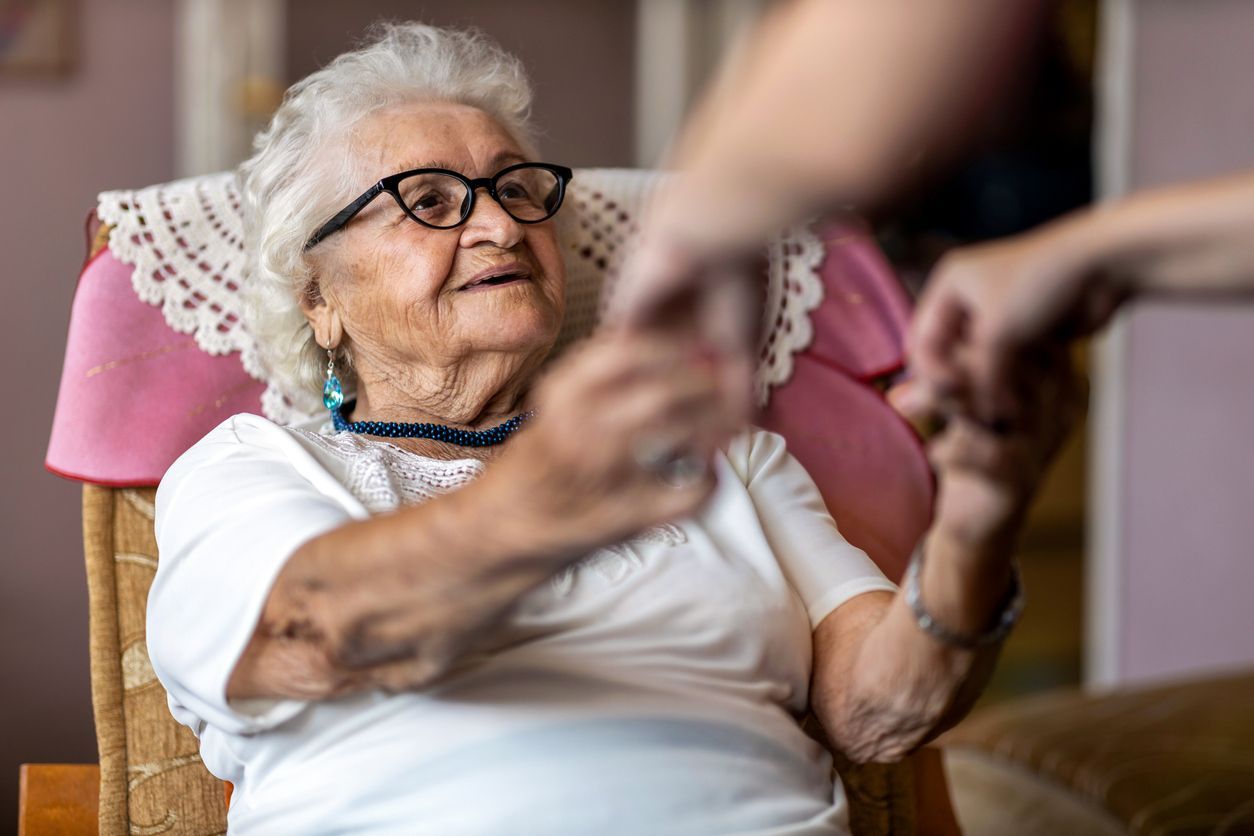
Hourly Care
With four in-house pediatric doctors, each one a specialist in the field, we ensure that every child at the clinic gets the care they require.
Button

Overnight Care
Check Out Our Resources!

Learn the signs your aging parent may need extra help at home this fall and how home care can provide safety, companionship, and daily support.

Fresh Beginnings, Renewed Energy, and the Right Time for Support As the seasons change and winter fades away, spring brings a sense of renewal, energy, and opportunity. For many families, it’s also the perfect time to reassess routines and make positive changes — including starting home care services. With longer days and improved weather, spring offers an ideal environment for seniors to receive the support they need while maintaining independence at home. Why Spring Is the Right Time to Begin After the colder months, families often notice changes in their loved ones that may have gone overlooked. Spring creates a natural moment to take action by: Reestablishing healthy routines after winter Addressing any physical or emotional setbacks Preparing for a more active and social season Taking advantage of safer conditions for mobility and outings This season of change makes it easier to introduce new support in a positive, forward-looking way. How Home Care Helps During the Transition Starting home care in the spring allows seniors to ease into support while regaining strength and confidence. Caregivers can help with: 1. Daily Routine Support: Rebuilding structure around meals, medications, and activities. 2. Encouraging Activity: Supporting safe outdoor walks and light exercise as the weather improves. 3. Home Organization: Assisting with light cleaning and refreshing the living space. 4. Companionship: Providing social interaction as seniors become more active and engaged. 5. Health Monitoring: Keeping an eye on any changes following the winter months. A Fresh Start with the Right Support Spring represents new beginnings, making it an ideal time to introduce home care in a way that feels empowering rather than overwhelming. With the right support in place, seniors can enjoy the season feeling energized, safe, and confident in their daily lives. For families, starting home care now can help prevent future challenges while ensuring their loved ones are supported every step of the way, not just this season, but throughout the year.

Understanding, Supporting, and Respecting the Transition to Care Accepting help at home can be an emotional experience for seniors and their families. While home care provides valuable support, it also represents a shift in independence that can bring a range of feelings — from relief and comfort to uncertainty and hesitation. Understanding the emotional side of this transition is key to providing compassionate, respectful care. Common Emotions Seniors May Experience When beginning home care, seniors may feel: Loss of Independence: Needing help with daily tasks can feel like losing control. Frustration or Embarrassment: Accepting assistance with personal care may be difficult at first. Anxiety About Change: Adjusting to a new routine or caregiver can feel overwhelming. Relief: Many seniors also feel comfort knowing support is available when needed. Loneliness or Fear: Concerns about the future can lead to emotional stress. Recognizing these emotions allows families and caregivers to respond with patience and empathy. How Home Care Provides Emotional Support Home care is not just about physical assistance, it also plays a vital role in emotional well-being. Caregivers can: 1. Build Trust Over Time: Consistent, familiar caregivers help seniors feel more comfortable and secure. 2. Encourage Independence: Supporting what seniors can still do helps maintain dignity and confidence. 3. Communicate with Compassion: Listening and offering reassurance can ease fears and concerns. 4. Provide Companionship: Meaningful conversation and connection reduce feelings of isolation. 5. Adapt to Individual Needs: Personalized care respects each person’s preferences and pace. Supporting the Transition with Care and Respect Adjusting to home care takes time. With the right approach, what may begin as uncertainty often becomes a source of comfort and stability. Families play an important role by staying involved, offering encouragement, and allowing their loved ones to adjust at their own pace. By focusing on both emotional and physical needs, home care helps seniors feel respected, supported, and confident, allowing them to continue living safely and comfortably in their own homes.